Critical Plumbing Needs: How to Pick the Perfect Plumber for Your Home
Selecting the ideal plumber for your home can be a difficult task. Homeowners must consider various factors, including qualifications, experience, and pricing. Many overlook essential steps, which can lead to costly mistakes. Understanding common plumbing issues and knowing what to look for in a plumber is vital. What are the key attributes that truly make a plumber trustworthy? Exploring these elements can greatly influence ongoing upkeep and satisfaction.
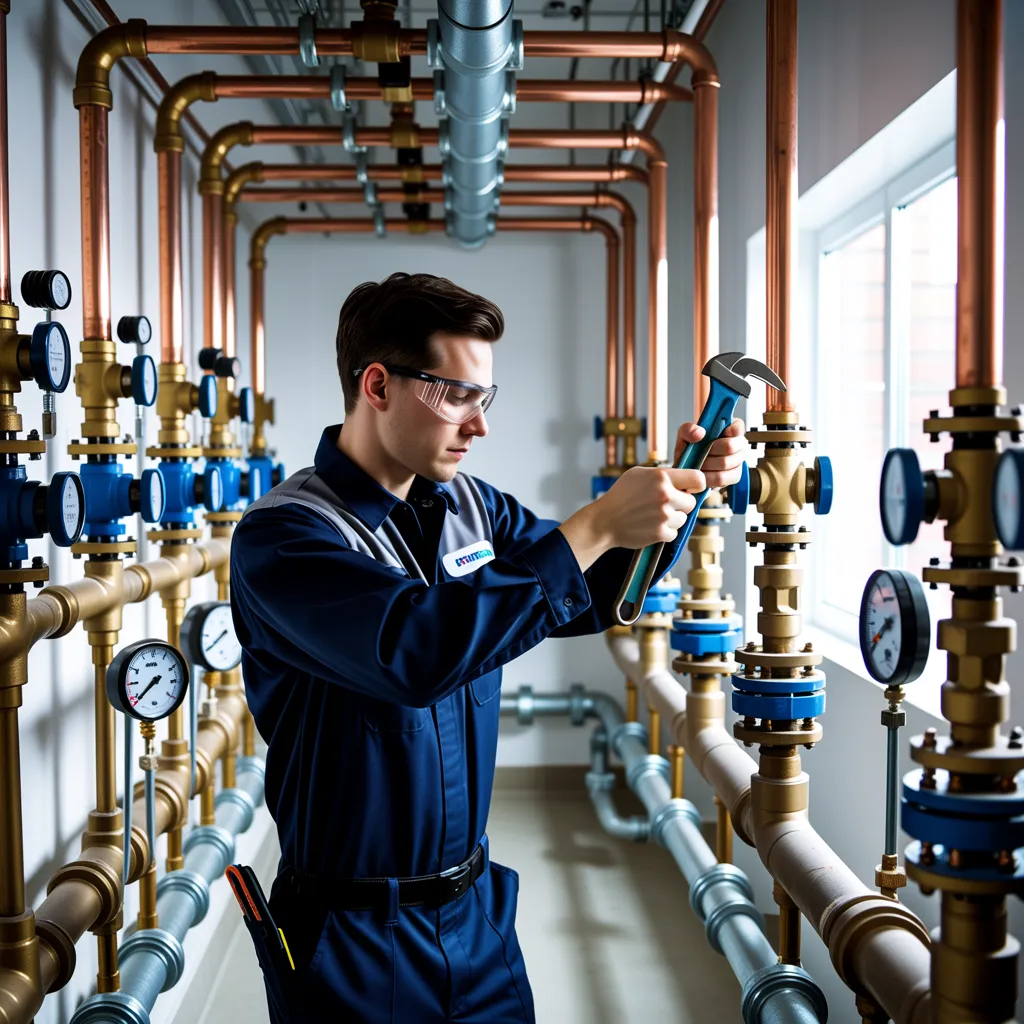
Typical Plumbing Problems You Should Recognize
Many property owners face a variety of plumbing issues that can disrupt daily life. Common problems include leaky faucets, which not only squander water but also result in higher utility bills. Clogged drains are another common problem, often caused by the buildup of grease, hair, or foreign objects. These clogs can cause slow drainage or even overflow. Additionally, running toilets waste significant amounts of water, often due to faulty flappers or fill valves. Pipe leaks can occur in both visible and hidden locations, potentially causing extensive water destruction if left professional guide unaddressed. Water heater issues, such as inconsistent temperatures or leaks, can impact comfort and convenience. Finally, low water pressure may suggest a problem with the plumbing system, affecting the overall functionality of fixtures throughout the home. Awareness of these common plumbing issues can help homeowners implement preventive measures to preserve their systems effectively.
Essential Requirements to Search For in Your Plumber
What key certifications should property owners assess when engaging a plumbing contractor? First and foremost, proper licensing is crucial. A licensed plumber has fulfilled local standards and exhibits a level of competence and expertise. Homeowners should also find plumbers who carry appropriate insurance, including general liability insurance and workers' compensation, to shield against possible damages or injuries during the job.
Furthermore, credentials from established industry bodies can indicate a plumber's commitment to ongoing education and adherence to industry standards. Homeowners should prioritize those with specialized training in particular plumbing specializations, such as domestic or industrial plumbing.
Furthermore, a robust grasp of local building codes and regulations is necessary to assure conformity during repairs or installations. Finally, effective communication abilities are critical, helping the service professional to clarify concerns and fixes clearly, fostering trust and understanding between the homeowner and the service provider.
Evaluating a Plumber's Experience and Reputation
When evaluating a plumber's background and standing, the length of time in operation functions as a vital indicator of reliability and expertise. Moreover, professional credentials can showcase a plumber's commitment to professional standards and ongoing education. Combined, these factors deliver valuable insight into the quality of service one can anticipate.
Span of Years in Operations
A plumber's years of service can substantially determine their standing and credibility within the local community. Experienced plumbing businesses often present a portfolio of completed work that shows their expertise in addressing assorted plumbing troubles in a capable manner. Extended tenure in the trade typically confirms a commitment to quality craftsmanship, because these experienced practitioners have faced various obstacles and formed lasting client relationships throughout their careers. Home buyers should look into how many years a plumber has been working, as this could shed light on their dependability and customer contentment. Reviews and endorsements from happy customers can provide additional insight into the plumber's local reputation. Ultimately, selecting a plumber with strong experience can offer reassurance, making sure the task is handled expertly and efficiently.
Sector Certifications Acquired
How can industry certifications boost a plumber's credibility? Certifications serve as documentation of a plumber's technical abilities, demonstrating their commitment to professionalism and adherence to industry standards. Recognized organizations, such as the Plumbing-Heating-Cooling Contractors Association (PHCC) and the National Institute for Certification in Engineering Technologies (NICET), offer credentials that reflect a plumber's proficiency in specific areas, including installation and repair techniques. These certifications frequently require continuous training, ensuring plumbers stay updated on the latest technologies and regulations. A plumber holding such certifications is likely to be dependable, fostering in homeowners. Hence, when picking a plumber, verifying their certifications can furnish valuable insight into their expertise and standing in the industry.
Think About Why You Should Get Multiple Estimates From Plumbers
Requesting several quotes from plumbers is essential for making an informed decision, as it enables property owners to compare pricing, services, and expertise. By obtaining estimates from different plumbers, homeowners can determine the average cost for specific plumbing tasks, helping them prevent excessive spending. Each plumber may provide different service packages, including warranties, follow-up services, or emergency support, which can greatly impact long-term satisfaction.
In addition, seeking multiple quotes permits homeowners to assess the qualifications and experience of each plumber. A variety standpoints can illuminate on the excellence of service and workmanship, allowing a more thorough evaluation. Furthermore, this process stimulates market competition among plumbers, typically resulting in better pricing or additional services. Ultimately, allocating time to obtain multiple quotes equips homeowners with the necessary information to select a trustworthy plumber who meets their needs and budget effectively.
Important Points to Raise When Contracting a Plumber?
When evaluating potential plumbers, knowing which inquiries to make can significantly influence the hiring decision. A homeowner should begin by asking regarding the plumber's licensing and insurance status, guaranteeing they meet local codes and are safeguarded from liabilities. It's also important to ask about their familiarity with specific plumbing issues, such as pipe repairs or fixture installations, to assess their expertise.
Property owners should gather references from clients from past clients to judge the plumber's reliability and standard of work. Along with this, talking about coverage options on repairs and installations can provide confidence with respect to emerging issues. Grasping the pricing model is critical; property owners should establish whether the estimate contains labor, materials, and any supplementary fees. At the end of the day, asking about response times for emergency calls can help establish if the plumber will be available when most needed, forming a reliable partnership for future plumbing needs.
Common Warning Signs in Plumbing Services
When selecting a plumber, certain warning signs can demonstrate possible problems with service quality. Unclear cost arrangements can cause unexpected costs, while the lack of correct licensing raises concerns about professionalism and consistency. Noticing these warning signs is essential for making an informed employment choice.
Unclear Cost Structures
How can residents navigate the complexities of plumbing pricing? Unclear pricing structures can be a major red flag when choosing a plumber. Many service providers do not provide clear estimates, leading to unexpected costs and dissatisfaction. Property owners should be wary of vague quotes that lack detailed breakdowns of labor, materials, and additional fees. A reliable plumber will offer a clear, itemized estimate before starting the job, making sure that homeowners understand what they are paying for. Additionally, hidden charges often surface during or after the service, highlighting the importance of confirming payment terms upfront. By prioritizing transparency and clarity in pricing, homeowners can avoid unpleasant surprises and build a more reliable relationship with their selected plumbing professional.
Absence of Licensing
A shortage of appropriate licensing can raise substantial concerns for homeowners seeking plumbing services. Certified plumbing professionals are usually obligated to meet distinct training and regulatory standards, ensuring they possess the necessary skills and knowledge. When a plumber does not present proof of licensing, it may reveal inadequate training or a dismissal for industry regulations. This absence of compliance can cause substandard work, leading to costly repairs or safety hazards. Homeowners should be distrustful of any plumbing service that does not readily furnish licensing information. Validating a plumber's credentials through local licensing boards can help avoid potential pitfalls. Ultimately, hiring a licensed professional improves the likelihood of quality workmanship and peace of mind for homeowners.
Nurturing a Great Working Relationship With Your Plumber
Fostering a solid connection with a plumber can greatly improve the standard of work obtained. Effective dialogue is key; property owners should convey their issues clearly and pose inquiries when required. This fosters an atmosphere of trust, allowing the plumber to understand the particular needs of the home.
Additionally, approaching the plumber with professionalism and respect can lead to better service outcomes. Simple gestures, such as supplying refreshments during long jobs, can create goodwill. Homeowners should also be considerate of scheduling and facilitate access to work areas, which can enhance more efficient service.
Additionally, periodic maintenance agreements can deepen the relationship, confirming the plumber is aware of the home's plumbing system. Ultimately, conveying input, whether encouraging or helpful, helps plumbers strengthen their services and establishes a collaborative dynamic. Preserving open lines of communication ultimately benefits both parties, yielding consistent, premium plumbing services.
Questions Which Are Commonly Questioned
How Can I Tell if My Plumbing Problem Is an Emergency?
A plumbing problem is considered an emergency if it includes uncontrollable leaks, sewage backups, or significant water harm. Timely intervention is required to prevent mounting issues and ensure safety and functionality within the home.
Which Measures Should I Undertake In advance of the Plumber Shows up?
In preparation for the plumber's arrival, the property owner should clear the surrounding area around the plumbing issue, collect information about the issue, and shut off the water if vital to prevent additional damage and expedite repairs.
Should You Consider Plumbing Guarantees Seriously?
Plumbing coverage plans are crucial as they offer confidence of quality workmanship and materials. They safeguard homeowners from unexpected expenses, guaranteeing that repairs or replacements are covered if problems occur after service completion.
Can I manage minor Plumbing fixes Myself?
Yes, basic plumbing repairs can often be handled by homeowners. Basic tasks like repairing drips or unclogging drains require basic equipment and a little guidance. However, caution is recommended to avoid causing further damage.
What Interval Is Best for Scheduling Plumbing Maintenance?
Plumbing servicing should preferably be scheduled annually. Frequent inspections can spot potential issues early, ensuring networks perform efficiently and reducing the risk of costly restoration. Homeowners benefit from proactive upkeep to extend the durability of plumbing systems.